
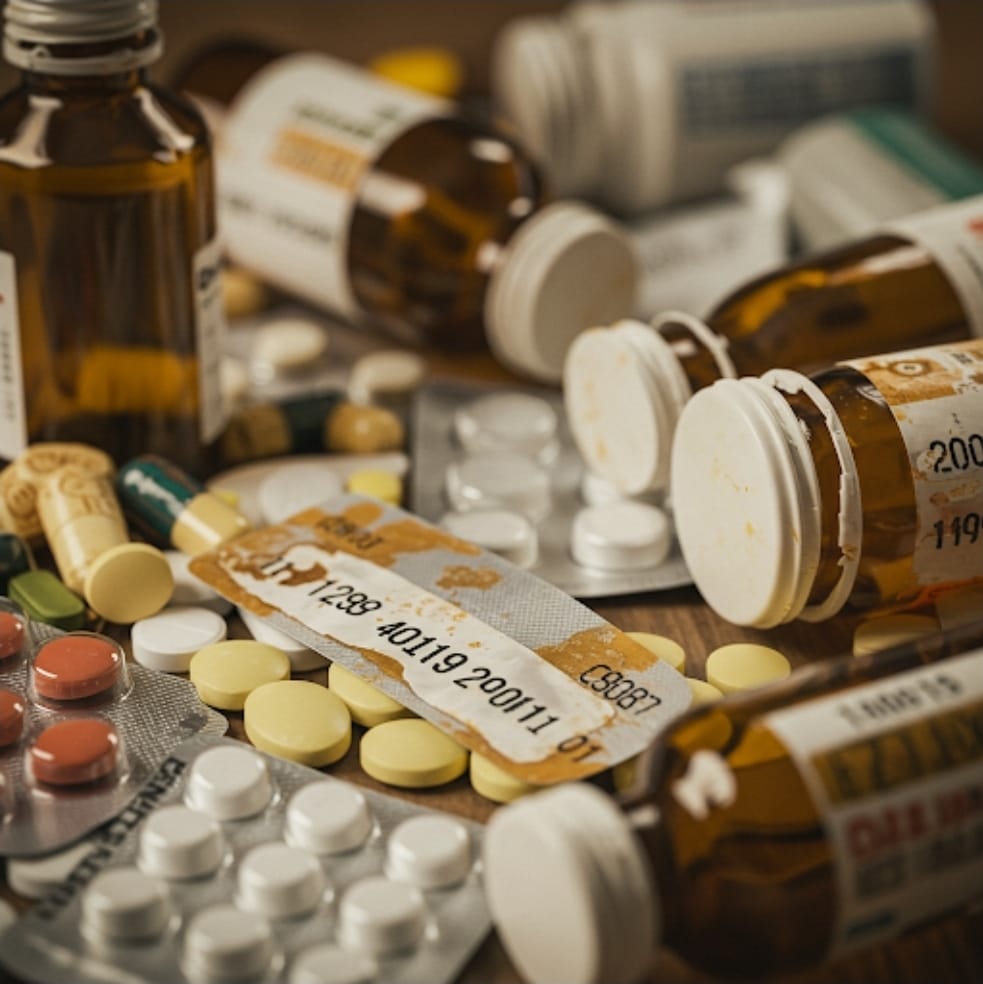
We’ve all experienced a scenario where you dig through the medicine cabinet only to find a forgotten blister pack or bottles past their expiry date. But what should you do with expired medicines? Are they still safe? Should you take them in an emergency? And how should you dispose of them properly?
As a pharmacist, I have found that the topic of expired medicine often comes with a lot of confusion for most people. Let’s clear the confusion, one dose at a time.
What Does “Expired” Really Mean?
The expiry date printed on the packaging of a medicine is the manufacturer’s guarantee that the product will maintain its full potency, efficacy, and safety up to that date, provided it is stored correctly according to the label’s instructions.
This date is a mandatory requirement by regulatory bodies such as the U.S Food and Drug Administration (FDA) and has been in place since 1979.
After the expiry date, the chemical composition of the drug can begin to change, potentially reducing its effectiveness or, in rare cases, making it unsafe. Pharmaceutical companies don’t slap expiration dates on for fun. That tiny expiration date might seem insignificant, but it holds a world of meaning to your health and safety.
Myth vs. Fact: What happens after the expiry date?
❌Myth: Expired medicine is completely safe if it looks fine.
✅Fact: What looks normal may have lost effectiveness or developed toxic compounds. Chemical breakdown is not always visible.
❌Myth: ALL expired medicines are toxic.
✅Fact: Some drugs degrade into harmful compounds, but many simply become less potent. This means that you may not get the intended therapeutic effect.
The Surprising Stability of Some Medications
Interestingly, some studies have shown that many medications (like certain pain relievers) retain a significant portion of their potency for some years beyond their expiry date, especially when stored properly.
Research points to the fact that the expiration date does not imply that the medication becomes instantly ineffective or dangerous the day after. However, this does not mean you can use all your expired medications. It just highlights the fact that expiration dates are simply a guideline rather than a strict cutoff.
Are Expired Medicines Harmful?
Using expired medicines can pose several risks, such as:
1. Potential toxicity: Some older medicines (like tetracycline) were once thought to break down into harmful compounds. Though rare today, it’s still a reason to be cautious.
2. Reduced effectiveness: Most expired medicines are not dangerous, but may not work as well due to reduced potency. This is especially critical for life-saving drugs like insulin, antibiotics, heart medications, and EpiPens (Epinephrine).
3. Bacterial growth: Liquid medicines and creams can become breeding grounds for harmful bacteria.
4. Unpredictable reactions: Chemical instability means expired drugs may not work the way they are supposed to, which may cause unexpected side effects.
Bottom line? A quick check of expiry dates could mean the difference between safe, effective treatment and unwanted risks. While a one-day expired antihistamine might not spell disaster, it’s better to exercise caution with all medicines. Don’t take chances, especially if the medication treats a serious condition. When in doubt, consult your pharmacist.
When Expiry Dates Matter The Most
While some medications can remain stable, others are prone to degradation and must be discarded once expired. These include:
- Eye drops: expired eye drops are prone to becoming contaminated, which can cause infections.
- Liquids, creams, and injectables: these are susceptible to chemical breakdown and contamination.
- Antibiotics: expired antibiotics are less effective and can contribute to antibiotic resistance.
- Certain life-saving drugs: drugs like insulin, epinephrine (EpiPen), need to be full strength to be effective in emergencies.
How to Dispose Expired Medicines Properly
Keeping unused drugs around the house is risky, as it can lead to potential misuse or even accidental ingestion by children and pets. On the other hand, improper disposal of medicines, like flushing or tossing them in the trash, can harm the environment or even lead to accidental exposure.
Proper disposal of expired or unused drugs is critical. Here’s what you should do to ensure safe disposal:
- Check with your local pharmacy or hospital: Many offer medicine take-back programs where you can safely dispose of unwanted drugs.
- Use designated drop-off sites: Some clinics or government programs collect expired drugs.
- If no other option, follow FDA guidelines for proper home disposal: Mix the medicine (do not crush tablets or capsules) with an unappealing substance like coffee grounds or kitty litter( this prevents accidental consumption). Seal it in a plastic bag before throwing it in the trash. Scratch off any personal information on the medicine container before discarding it.
Tips for Medicine Storage and Management
- Store in a cool, dry place. Avoid storing medicines in your bathroom because the humidity can degrade them.
- Keep the original packaging because it contains essential info like batch numbers and expiry dates.
- Set a reminder every 6–12 months to review your medicine cabinet, check expiry dates, and declutter your medicine stash.
Final Dose of Clarity
Expired medicines aren’t worth the risk. While many may be harmless, some could be ineffective or even dangerous, especially if you’re relying on them to manage a health condition. When in doubt, consult your pharmacist for guidance.
Got questions about your medicine cabinet? Drop a comment or reach out via Contact. Let’s make medicine safe and simple, together.
Disclaimer: Health information shared here is for education only. Please speak to your doctor or pharmacist before making decisions about your health or medications.
Enjoyed this post? Get more health insights straight to your inbox!