
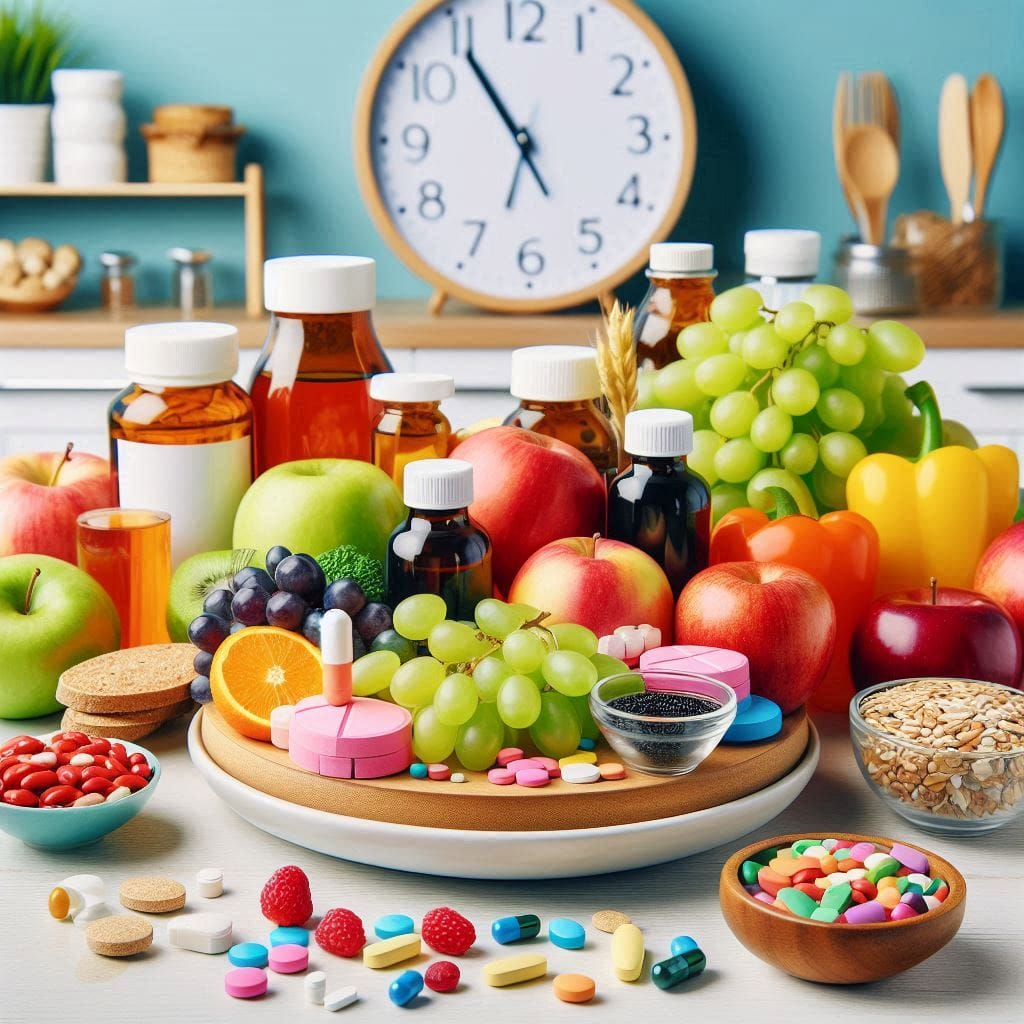
Have you ever wondered why some medications must be taken on an empty stomach, while others should be taken with food?
Food significantly influences how your body absorbs, metabolises, and responds to medications. This can therefore affect the drug’s effectiveness or increase the risk of side effects. Let us break it down further:
1. Absorption
Food can either increase or reduce the absorption of drugs into the body. A medicine may not work well if it is not properly absorbed due to an interaction with food. Furthermore, if food interacts with a drug and causes too much of it to be absorbed, there is a risk of increasing the side effects of the drug.
Food can also form a physical barrier, leading to slowed emptying of stomach contents into the small intestines, where most drugs are absorbed. e.g., paracetamol is absorbed slowly when taken with food.
Food also changes the pH (acidity) of the stomach, which affects drug absorption. Some drugs require a less acidic environment, while others require a more acidic environment. Drugs like ampicillin dissolve better in a less acidic environment, whereas ketoconazole requires acid for absorption.
2. Metabolism
Some foods affect liver enzymes, which are responsible for breaking down drugs in the liver by either activating or inhibiting the enzymes.
Activation of metabolic enzymes increases the rate of metabolism, which reduces the efficacy of a drug. High-protein diets, for instance, speed up the rate of metabolism of some drugs.
Enzyme inhibition slows down metabolism and increases drug levels, leading to increased side effects. For example, grapefruit inhibits CYP3A4, an enzyme that metabolises certain drugs, hence increasing the blood levels of these drugs.
3. Irritation
Certain drugs cause stomach upset when taken on an empty stomach because they irritate the stomach lining. Highly acidic drugs such as aspirin, ibuprofen, potassium chloride, and iron supplements cause a direct chemical irritation of the stomach lining. When the protective mucus layer of the stomach lining is damaged, the stomach becomes more vulnerable to stomach acid.
Other drugs like steroids and caffeine-containing drugs directly stimulate acid production and alter the stomach PH balance, which leads to irritation.
Drugs like NSAIDS block the production of cyclooxygenase (COX), an enzyme responsible for the production of prostaglandins, which usually protect the stomach lining. Fewer prostaglandins mean less protection, hence acid damage. These drugs should be taken with food to protect the stomach and improve tolerability.
4. Binding
Some drugs physically bind to food components such as calcium, fat, or fibre and form large complexes which are not readily absorbed. For example, tetracyclines and quinolone antibiotics bind with calcium in milk and antacids. Levodopa (used to treat Parkinson’s disease) binds with iron in food and supplements.
Common scenarios
1. Medications Best Taken on an Empty Stomach
Taking medications on an empty stomach simply means taking them one hour before or two hours after meals to prevent food from interfering with their absorption and metabolism.
- Biphosphonates (for osteoporosis) must be taken at least 30 minutes before food and with a full glass of water. Eating too soon reduces their absorption.
- Thyroid medication (levothyroxine) should be taken at least 30 – 60 minutes before breakfast to ensure proper absorption because thyroxine binds with fibre and soy in food, which reduces absorption.
- Certain antibiotics, such as erythromycin, are best absorbed when taken on an empty stomach.
2. Medications Best Taken With Food
- Aspirin and NSAIDS, eg, ibuprofen and diclofenac, cause stomach irritation. Taking them with food helps protect the stomach lining.
- Metformin (for diabetes) should be taken with food to prevent stomach upset.
- Sulfonylureas (glipizide, glimepiride, and glyburide) should be taken with food to prevent blood sugar drops, which is the main side effect of this class of drugs.
- Rapid-acting insulin should be administered 5 -15 minutes before food to prevent sudden sugar spikes after eating because carbohydrates in food usually lead to an increase in blood sugar. Patients with diabetes should therefore ensure that the insulin is readily available whenever they eat. It is important not to delay the meal after the injection is administered.
- Some HIV drugs, such as rilpivirine, work best when taken with food.
3. Specific Food Interactions
Certain foods directly interact with medicines, affecting their metabolism.
- Dairy products: Milk, cheese, and yoghurt contain high amounts of calcium, which can bind to some antibiotics (like tetracycline and ciprofloxacin), reducing their absorption. These drugs should be taken 1 – 2 hours before or after consuming dairy.
- High-fibre foods: These may slow down the absorption of some medications by physically binding to the drug. For example, both thyroxine and digoxin bind with fibre in food, which results in reduced drug absorption.
- Grapefruit juice: This can interfere with enzymes that break down certain medications, potentially leading to increased drug levels and side effects. This can be dangerous with statins, e.g., atorvastatin and simvastatin, leading to a higher risk of muscle damage. Grapefruit juice also interferes with blood pressure medicines such as nifedipine and felodipine, which can cause excessively low blood pressure. When taken with some drugs used to treat anxiety, eg, buspirone, it enhances the sedative effects of these drugs.
- Foods high in tyramine (aged cheese, cured meats, fermented food, soy products ): These can cause a dangerous rise in blood pressure if taken with MAO inhibitors, eg, phenelzine, a type of antidepressant.
- Vitamin K-rich foods (leafy green vegetables such as spinach and broccoli can interfere with the effectiveness of blood thinners like warfarin. Consistency is key. Do not suddenly increase or reduce their intake.
- High potassium foods like bananas and oranges interfere with some blood pressure medicines, leading to excessive potassium levels.
- Alcohol interacts dangerously with many drugs, including antidepressants, antibiotics, and painkillers. This may cause severe side effects such as excessive drowsiness, liver damage, or reduced drug efficacy.
- Fatty meals increase the absorption of fat-soluble drugs, eg, griseofulvin, isotretinoin, and ritonavir, as well as fat-soluble vitamins due to increased bile flow.
- Acidic foods, eg, orange juice, will break down acid-sensitive drugs
General Recommendations
- Read the medication label for specific instructions regarding food. If it says take with food, do not skip meals.
- Stick to a routine and be consistent in how you take your medication with respect to meals.
- Always follow your doctor’s or pharmacist’s instructions on when and how to take your medication in relation to meals.
- Inform your doctor and pharmacist about all medications, supplements, and your usual diet to identify potential risks. Calcium, iron, and even herbal supplements interfere with medications.
- Eat at about the same time each day to make it easier to adhere to your medication plan concerning meals.
- Maintaining a balanced diet helps your body process medications effectively. A deficiency in key nutrients affects how enzymes break down drugs, which can make them too strong or too weak.
- Limit alcohol intake because alcohol intensifies the side effects of certain drugs.
- If you’re unsure, ask your healthcare provider about potential food-drug interactions.
Final Dose of Clarity
By paying attention to food timing and potential interactions, you can help ensure your medications work effectively and unwanted side effects are avoided. Taking your medicine at the right time, and with or without food as directed, is important in ensuring you stay safe and healthy. If you’re ever unsure, your pharmacist is your best guide.
Have a question about your medication timing? Drop it in the comments or reach out through drclarity@doseofclarity.co.ke
Enjoyed this post? Get more health insights straight to your inbox!