
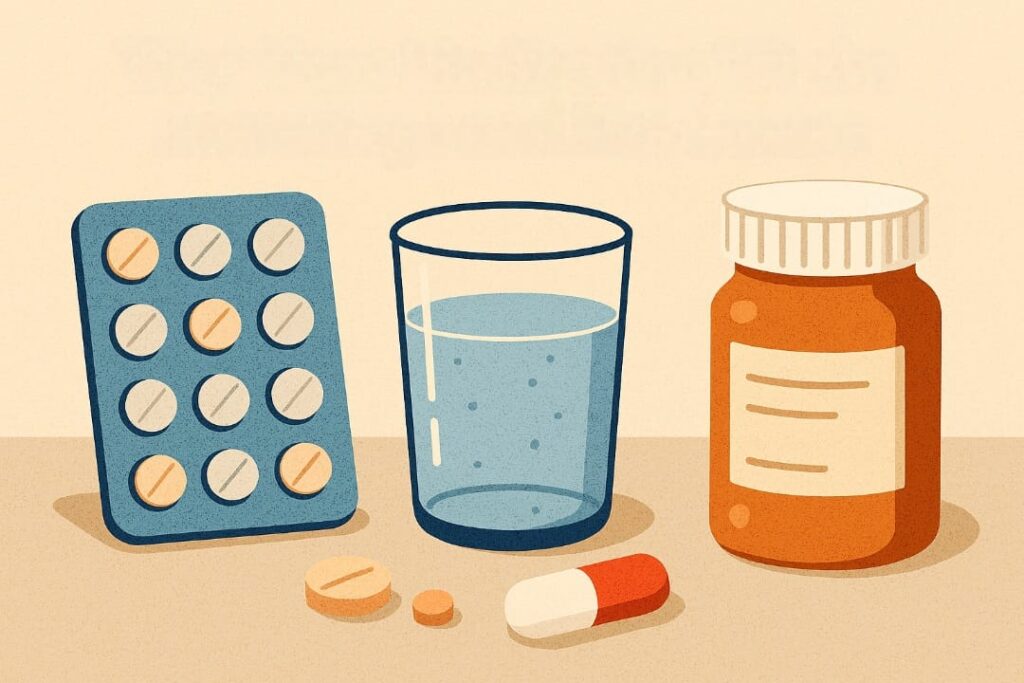
Have you ever wondered why a medication that seemed to be working so well suddenly seems ineffective? Sometimes, even if you take your medication exactly as you have always done, your body might respond differently. This is a common scenario that leaves many patients confused.
There are various reasons why the body responds to medications differently at different times. In this post, we shall highlight some of the most common reasons why this happens.
1. Your body changes constantly
The human body constantly undergoes changes which affect how the body handles medications. We experience varying stress levels, changes in sleep quality, hormonal fluctuations, weight changes and even develop new infections or illnesses from time to time. High stress levels alter metabolism and digestive processes, increase blood pressure and blood sugar levels. On the other hand, anxiety affects how you perceive your symptoms and make you feel like your medications are not working. Furthermore, changes in body weight affect drug distribution whereas ageing alters liver and kidney function which affects drug metabolism.
2. The biological clock
The body works through an internal 24-hour cyclic rhythm known as the circadian rhythm. This internal clock affects almost every physiological process in the human body including drug metabolism, receptor sensitivity and hormone level fluctuations. Because of this, how the liver processes medications and how the body’s cells respond to medications varies throughout the day. For example, blood pressure medications seem to work best when taken at night whereas some asthma medications work best when taken in the morning. Poor sleep disrupts the circadian rhythm and leads to hormonal fluctuations both of which have an effect on drug metabolism.
3. Timing of your doses
The timing of your doses matters more than you think. For medications to work well, you need to follow a consistent dosing schedule. Taking your doses at the same time every day and at regular intervals is essential so as to maintain constant drug levels in the bloodstream. If you take your doses randomly, it means some doses are taken either too early or too late. This leads to fluctuating drug levels in the blood stream and hence the medication will not be as effective as it is supposed to be. Missing doses also affects the concentration of medications in the bloodstream which can take several days to stabilize. If you intentionally miss doses, your system can reset and change how it responds to the medication.
4. Food and drinks
What you eat and drink affects how medications are metabolized in the body. Some drugs need to be taken with food to enhance their absorption, whereas others need to be taken on an empty stomach so that food dose not interfere with their absorption. Foods such as dairy foods, fatty meals and fibre rich diets affect drug absorption. Grapefruit juice and alcohol on the other hand, affect drug metabolism in the liver and can increase side effects. Always follow the exact instructions given by your healthcare provider concerning food timing and your medications.
5. Hydration and PH
When you swallow medications, they must first dissolve inside the stomach before they can get absorbed into the blood stream. Proper hydration is therefore crucial to ensure proper drug distribution. If your body is dehydrated, drug absorption is reduced. Dehydration also decreases your blood volume which can lead to increased concentration of medication in the blood stream. It also alters liver and kidney function, meaning the processing of the medication slows down.
6. Stomach PH
Taking antacids and consumption of caffeine in high amounts affects the PH of the stomach. Some medications require an acidic environment to properly dissolve. When the acidic environment in the stomach is affected, these medicines will not dissolve well which renders them less effective.
7. Drug interactions
A new prescription drug or over the counter drug can interact with your regular medications. Always inform your pharmacist about all the medications you are taking including any supplements and over the counter medications. Your pharmacist will review your medication list and identify any drug-drug interactions that might make your other medication less effective. Supplements like St John’s wort reduces the effectiveness of birth control pills and some antidepressants.
8. Fluctuating disease status
For some conditions, you are bound to experience some good days and some bads. Sometimes, symptom flare ups will happen in diseases like asthma, migraines, arthritis, depression and anxiety. Flare ups do not automatically mean that your medication has failed. Most times, it simply means your body needs extra support or some adjustments to manage the acute flare up.
9. First pass metabolism
The liver plays a key role in drug metabolism. When you take a medication orally, it usually passes through the liver before it goes to the rest of the body (the first pass effect). Some supplements, changes in exercise and alcohol consumption can affect how the liver works. When the liver is working overtime, it can lead to faster clearance of medications from the system. This means you will not have adequate drug levels in your bloodstream to treat the condition that the medicine is supposed to treat.
10. Medication storage conditions
Proper medication storage is important to ensure your medications are safe and effective. If you expose your medication to extreme heat, cold, light and moisture, you risk damaging them and hence they might not work effectively. Common medication storage mistakes include storing medicines in the bathroom where they are exposed to moisture, storing medicines in the kitchen near heating appliances, leaving medicines inside a hot car, as well as not checking the expiry dates. Always ensure that you follow the storage directions on the medicine label so that your medicine can remain effective.
11. The body can adapt over time
Sometimes when you take a medication for so long, the body gets used to it and it becomes less responsive to the medication. This calls for either the dose to be adjusted, or the medicine to be combined with another one or a change in the medication.
How to Achieve More Consistent Results
- Take your medication at the same time everyday.
- Follow food instructions i.e. taking medications with or without food.
- Drink adequate water unless directed otherwise.
- Keep a medication log and track symptoms, diet, sleep etc.
- Schedule regular medication reviews with your pharmacist.
- Do not alter your medications without informing your doctor or pharmacist.
When Should You Be Concerned?
Consult your doctor or pharmacist if:
- Your symptoms are not improving or keep returning.
- You experience sudden severe side effects.
- You feel the medication is not helping you even with proper adherence.
- Medication that worked well previously suddenly stops working.
Do not start or stop medication without guidance from your healthcare provider.
Final Dose of Clarity
There are many reasons why your medication seems to work well on some days and not others. Stress levels, diet, scheduling of your doses, drug and food interactions affect how the body handles medications. If you notice a significant change in how your medication is working, do not adjust doses yourself. Always talk to your doctor or pharmacist. A medication review with your pharmacist can help you uncover why your medicine is not working and help you get the most from your medication.
Disclaimer: This article is for informational purposes only and does not constitute medical advice. Always consult with your healthcare provider about medication-related concerns.
Enjoyed this post? Get more health insights straight to your inbox!