
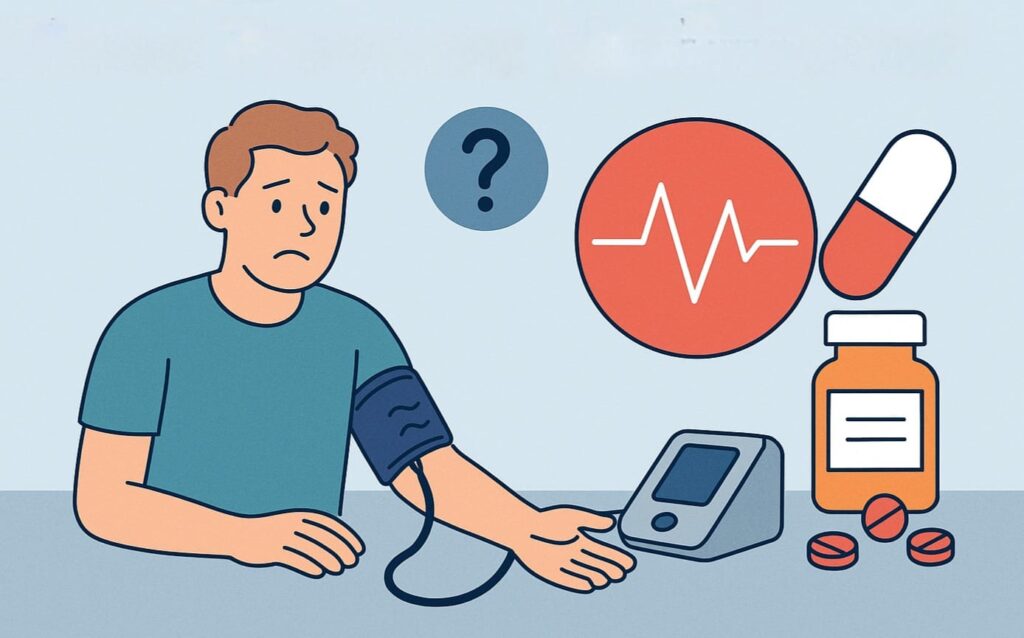
Hypertension is one of the most common chronic conditions worldwide. It is regarded as a silent killer because most patients “feel fine” even though it silently damages organs such as the heart, kidneys, blood vessels, the brain and eyes. Adequate blood pressure control is therefore important to prevent organ damage.
Patients on blood pressure treatment often wonder if they can ever stop the medication. The answer is, yes, it is possible to stop but it depends on a variety of factors and must be done under medical supervision. You should never stop taking your blood pressure medication without guidance from your healthcare provider.
Why Blood Pressure Medications Are Prescribed
There is a wide range of medications that are prescribed to help maintain the blood pressure within the normal range. The type of medication, the dosing and the number of medications will vary depending on several factors such as severity of the disease, underlying conditions, and other lifestyle factors.
Blood pressure medications are important for the following reasons:
- They prevent heart failure and heart attacks.
- They lower the risk of stroke.
- They prevent kidney damage.
- They prevent vision loss.
It is very tempting to stop taking your medications because you feel well or because your blood pressure readings are normal. If this is the case, it simply means that the medications are working well and you must therefore adhere to the treatment unless advised otherwise by your healthcare provider.
When Might Stopping Medication Be Considered?
The consideration to reduce or even stop the medication entirely will be evaluated on a case-by-case basis. You have better prospects of stopping the medication if you were diagnosed early, you have no other underlying conditions like kidney or heart disease, and if you are on just one medication and at a low dose. In the event that readings rise again, be ready to resume medication.
The criteria used for stopping medication are as follows:
1. Significant lifestyle changes
If your blood pressure was only slightly elevated, lifestyle changes can be a valid reason for a healthcare provider to reevaluate the need for medication. This includes losing unhealthy weight, limiting salt intake, managing stress, reducing alcohol consumption, smoking cessation, adopting a heart healthy diet and regular exercise.
2. Treatment of an Underlying Cause
If you developed hypertension as a result of an underlying condition, your blood pressure can return to normal if the underlying condition is treated. Conditions such as thyroid disorder, kidney artery disease, and sleep apnea can lead to elevated blood pressure. It is therefore important to have these addressed.
3. “White Coat Hypertension”
This is a common scenario whereby the blood pressure is only high at the doctor’s office. If monitoring the blood pressure at home reveals normal readings consistently, then there is no need for medications.
4. Stability
If your blood pressure readings have been consistently under 120/80 mmHg without fluctuations for 6 to 12 months, your doctor might consider stopping or tapering down your doses.
When You Should Not Stop Blood Pressure Medication
Stopping medication is never a good idea in the following scenarios:
- You have diabetes or kidney disease.
- You have had a stroke, or you suffer from a heart condition.
- You take multiple blood pressure medications to keep your blood pressure under control.
- You have chronic severe hypertension.
- You are pregnant or planning for a pregnancy.
For these cases, it is advisable that you adhere to your treatment as instructed. Your medication helps to protect you from further complications.
Why Stopping Suddenly Can Be Dangerous
Some classes of antihypertensives can cause severe side effects when stopped abruptly. Never stop your treatment suddenly without medical advice as doing so can put your life at risk. Some of the common issues that arise when these medications are stopped suddenly are outlined below:
1. Rebound hypertension
Stopping suddenly puts you at risk of developing blood pressure spikes that could even be higher than before you started taking the medication. This is dangerous because it can lead to stroke, kidney damage or heart complications.
2. Withdrawal symptoms
Clonidine and Beta blockers e.g. metoprolol have been linked with severe withdrawal effects such as rapid heart rate, sweating and anxiety.
3. Loss of protection
The medications help to prevent organ damage. Stopping them means loss of organ protection which puts you at risk of kidney damage, blood vessel damage, heart disease. You might feel fine even with ongoing silent organ damage.
Medications That Require Extra Caution
- Beta blockers (e.g. metoprolol, atenolol) can result in chest pain and heart rhythm issues when stopped suddenly.
- ACE inhibitors (e.g. enalapril, lisinopril) which can cause kidney strain and blood pressure spikes when stopped abruptly.
- Calcium channel blockers (e.g. amlodipine, diltiazem) result in headaches and palpitations when withdrawn abruptly.
- Diuretics (e.g. furosemide, hydrochlorothiazide) can result in fluid retention and swelling if stopped suddenly.
How Doctors Safely Stop or Reduce Blood Pressure Medication
If your doctor considers it appropriate, deprescribing your treatment has to be done carefully and under supervision. Here is how it is done:
1. Assessment
The doctor reviews your lifestyle, evaluates your overall cardiovascular risk, and can even order some further tests.
2. Trial Period
If you meet the criteria, the doctor might lower doses gradually, or stop some medications if you take several medications.
3. Intense Monitoring
You will be required to regularly monitor your blood pressure at home and report the readings to the doctor for review during scheduled appointments.
4. Lifestyle modification
You must be consistent in ensuring you maintain a healthy weight, exercise regularly, eat a healthy diet with less salt and fats, get adequate sleep and manage stress.
Final Dose of Clarity
It is possible to stop blood pressure medication but not everyone is eligible to stop. If your blood pressure readings have been consistently normal over time, and you are wondering if it is time to stop taking your blood pressure medications, have that conversation with your doctor or pharmacist. Stopping should never be sudden or self directed.
Disclaimer: This article is for educational purposes and does not replace personalized medical advice. Always consult your doctor or pharmacist before making changes to your medication.
Enjoyed this post? Get more health insights straight to your inbox!