
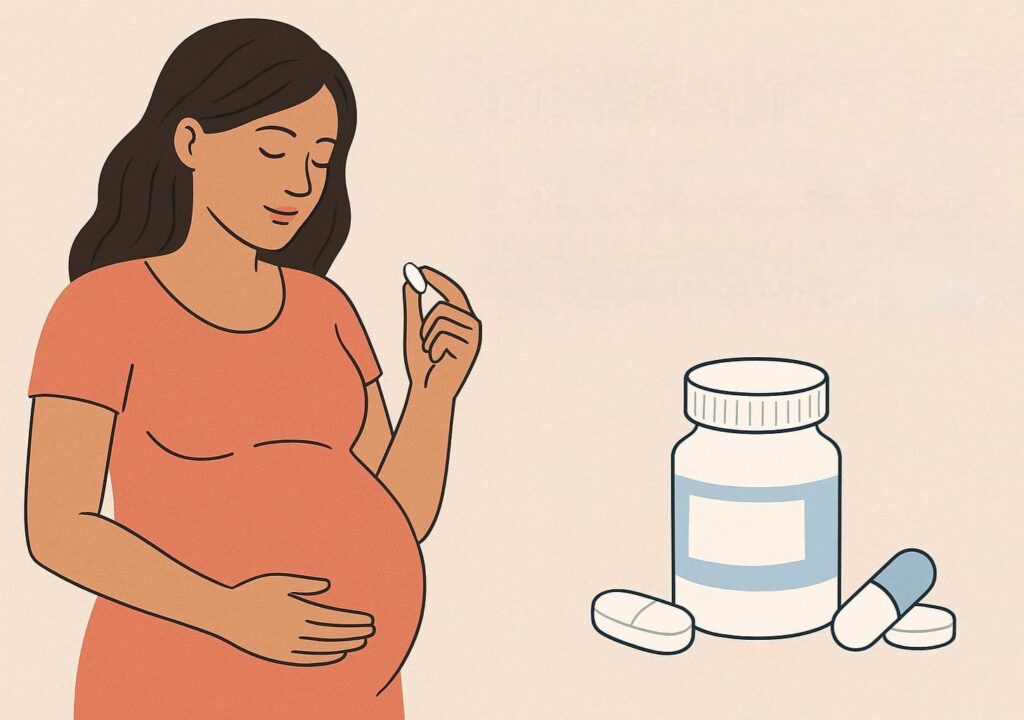
Pregnancy does not always imply that you should avoid taking all medications. This is in fact, not practical since certain conditions must be treated to ensure both the mother and the baby remain healthy. The key is knowing what is safe, as well as balancing risks versus benefits.
Medication safety in pregnancy depends on the particular medicine, the dosage, the timing and individual health factors. Many medicines are safe during pregnancy when used correctly. On the other hand, some medicines require extra caution, whereas some have to be completely avoided. You must always consult with your healthcare provider before starting or stopping any medication, including over the counter products and herbal drugs.
Why Medication Safety Matters in Pregnancy
When you take medicine during pregnancy, the medication can cross the placenta and reach the baby. This can affect the baby’s organ development and can result in birth defects if the medicine is considered unsafe in pregnancy. Certain drugs can also increase the risk of miscarriage and premature labor.
If you are suffering from a chronic condition such as asthma, depression, diabetes, HIV and hypertension, it is important that these conditions are well managed to ensure a healthy pregnancy. Do not stop medication without proper guidance. Doing so endangers both you and the baby. Talk to a healthcare provider to guide you on the safest alternative available or adjust doses where needed.
Medication Risk Categories
1. Generally Safe
These are medications with a proven track record of safety during pregnancy e.g. penicillin, Amoxil, paracetamol.
2. Risk-Benefit Medications
These are medications that are only used if clearly needed e.g. some anti-nausea drugs, thyroid drugs, some antidepressants.
3. Generally Avoided
These medications are known to cause birth defects and complications in pregnancy e.g. some epilepsy drugs, isotretinoin for acne treatment and some antidepressants.
Common Medications That Are Considered Generally Safe
1. Paracetamol
Paracetamol is the drug of choice for pain and fever management in pregnancy. Always use the lowest dose possible and for the shortest time possible, unless advised otherwise by your doctor.
2. Supplements
Supplements such as folic acid, iron, calcium and vitamin D are commonly prescribed during pregnancy. Folic acid supplementation before and in early pregnancy is essential to prevent neural tube defects in the developing fetus. Iron supplements are often necessary to prevent and treat maternal anemia during pregnancy. Calcium and vitamin D supplements may also be recommended where dietary intake is inadequate.
3. Some antibiotics
Treatment with antibiotics is often necessary if you develop an infection in pregnancy. An untreated infection is more dangerous than taking medication. Common antibiotics that are generally safe in pregnancy include penicillin e.g. amoxicillin and cephalosporins e.g. cefuroxime.
4. Asthma medications
Inhaled bronchodilators e.g. salbutamol and inhaled corticosteroids e.g. budesonide are generally safe and recommended for good asthma control in pregnancy. Poorly controlled asthma during pregnancy is dangerous because it can reduce oxygen supply to the developing fetus leading to complications. if you are pregnant and living with asthma, ensure that you use your asthma medications as instructed.
5. Certain antihistamines
Antihistamines such as loratadine and cetirizine are safe for use in pregnancy for the management of allergies, colds and flus.
6. Insulin
Poor sugar control in pregnancy increases the risk of birth complications. Insulin is the drug of choice for blood sugar control in both gestational and pre-existing diabetes management in pregnancy. Insulin is safe for the developing fetus since it mimics the body’s natural hormone and does not cross the placenta in large amounts.
7. Low-dose aspirin
Low dose aspirin (75 mg – 150mg daily) is considered safe and beneficial in high-risk pregnancies for preeclampsia prevention in the third trimester. When used correctly, it helps to increase blood flow to the placenta and prevent abnormal blood clotting.
Medications That Need Caution or Should Be Avoided
1. Painkillers (NSAIDs)
Avoid ibuprofen, diclofenac, and naproxen especially during the third trimester. These drugs have been linked with fetal kidney and heart defects. They also affect amniotic fluid levels and increase the risk of a miscarriage. High-dose aspirin in the third trimester has also been linked with bleeding risks for the mother and baby.
2. Acne and Skin Treatments
Oral isotretinoin and some topical creams and ointments must be avoided due to the risk of severe birth defects.
3. Tetracycline antibiotics
Tetracycline antibiotics lead to discoloration of teeth and bone growth issues in the second trimester.
4. ACE inhibitors and ARBS
Common blood pressure medications known as ACE inhibitors and ARBS are unsafe in pregnancy and must be avoided. They have been linked with kidney issues and other developmental defects.
5. Some Epilepsy drugs
Some epilepsy drugs such as sodium valproate must be completely avoided due to the risk of severe birth defects.
6. Warfarin
Warfarin is a blood thinning drug which can lead to birth defects and bleeding risks, and should be avoided in the second trimester.
7. Some antidepressants
Some antidepressants e.g. SSRIS and benzodiazepines, increase the risk of birth defects and can also result in newborn withdrawal symptoms. If you are on treatment with these drugs and you become pregnant, do not stop taking the medications suddenly as doing so might be more dangerous. The doses can be adjusted gradually under medical supervision and the prescription changed to safer alternatives where possible.
Herbal and Traditional Medicines
Herbal does not always mean safe. In fact, many herbal remedies in Kenya have not been tested for safety in pregnancy and are poorly regulated. Herbal products should therefore be avoided in pregnancy due to lack of scientific backing to guarantee their safety in pregnancy. Some can interact with prescribed medicines reducing their effectiveness and may even contain substances that affect fetal development or can stimulate the uterus. Always discuss any herbal remedies with your doctor or pharmacist.
Safer Options for Managing Common Conditions
1. Pain and Fever
Paracetamol is the painkiller of choice for occasional use. Avoid NSAIDs especially in the third trimester.
2. Allergies, Colds, and Cough
Loratadine (Claritin) or cetirizine (Zyrtec) are safe antihistamines that can be taken to manage allergic conditions during pregnancy. Non-drug options include saline nasal spray, steam inhalation, and honey (for cough). Avoid pseudoephedrine in the first trimester due to potential risk.
3. Heartburn and Indigestion
Antacids like Tums and calcium carbonate are generally safe. Proton pump inhibitors like omeprazole may be considered for severe cases.
4. Nausea and Vomiting
Dietary changes, ginger, vitamin B6 are generally considered first before other prescription medications such as doxylamine-pyridoxine.
5. Constipation
Non-prescription recommendations include increased fiber, water, and exercise. If needed, stool softeners like docusate and osmotic laxatives like polyethylene glycol may be considered.
6. Infections
Treatments vary widely depending on the infection but penicillins and cephalosporins are safe. Avoid tetracyclines.
Practical Safety Tips for Pregnant Women
- Always inform your healthcare provider if you are pregnant or trying to conceive.
- Do not take over the counter medicines without approval form your healthcare provider.
- For minor ailments, always try approved non-pharmacological remedies first (e.g., rest, hydration, nasal irrigation, warm compresses).
- Use one pharmacy for all prescriptions so your pharmacist can screen for interactions.
- Always read medicine labels carefully and look out for any pregnancy safety information.
- Do not skip your antenatal appointments.
- Report any unusual medication side effects.
- Review your medication list with your healthcare provider if you are trying to conceive.
- Use the smallest dose that manages your symptoms for the shortest time necessary.
When to Seek Advice Immediately
Contact your healthcare provider immediately if:
- You are prescribed a new medication and are unsure about its safety profile in pregnancy.
- Took a medication before you realized you were pregnant.
- Are experiencing side effects after taking medication.
Final Dose of Clarity
Pregnancy does not mean avoiding all medications. If you are unsure about a medication, always consult your doctor or pharmacist for advice. Self medicating in pregnancy must be avoided at all costs. Even if you have used a medication before, always consult your doctor for guidance.
Have a question about a medicine in pregnancy? You can reach out through our Contact page or speak directly to your healthcare provider.
Disclaimer: Health information shared here is for education only. Please speak to your doctor or pharmacist before making decisions about your health or medications.
Enjoyed this post? Get more health insights straight to your inbox!