
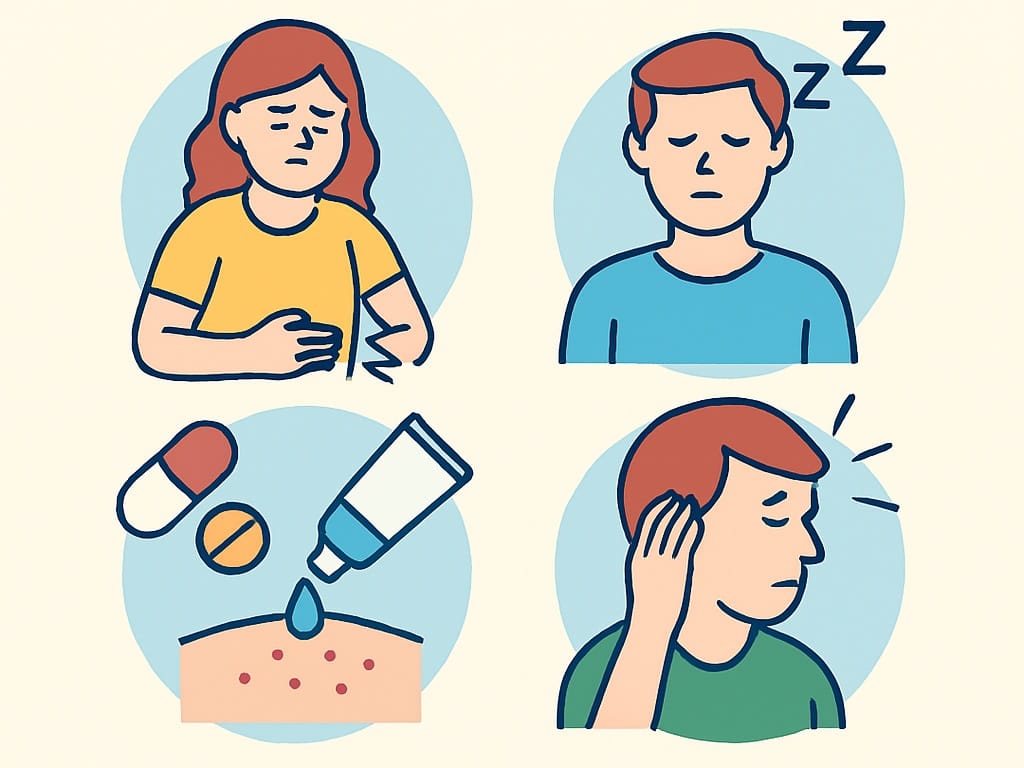
Many people do not comply properly to their medicines due to the fear of side effects. Side effects are unintended but expected reactions to a medication. They occur because medicines affect several other body systems, other than the illness that they are treating.
Not all people will experience side effects when taking medication. Furthermore, among those who experience them, the side effects usually present differently among individuals. Even though most side effects from medications are mild, temporary and manageable, serious reactions can also occur, requiring urgent medical attention.
Side Effects vs Drug Allergy
Understanding the difference between an allergic reaction and a side effect is important. Do not assume that you have a medication allergy, when in reality it is just a side effect. This can affect your future treatments because a doctor may not prescribe a treatment that is ideal for you based on a false allergy assumption. Side effects are usually known, expected and rarely life threatening e.g. nausea, dry mouth, or vomiting.
Allergic reactions on the other hand, are as a result of an exaggerated immune response. Even though these are rare, they can sometimes be life threatening. If you notice any of the following symptoms, stop the medicines immediately and seek medical attention.
- Swelling of the face and lips.
- Difficulty in breathing.
- Severe skin reactions, rashes or blistering.
- Yellowing of eyes (jaundice).
- Vision changes.
- Seizures.
- Severe abdominal pain.
- Chest pain and palpitations.
- Confusion or fainting.
- Thoughts of self-harm or suicide.
For more details, read our guide on Understanding Side Effects Vs Allergic Reactions: What You Need to Know
Common Side effects and how to manage them
1. Nausea and vomiting
This side effect is very common with antibiotics, chemotherapy, some painkillers and supplements. It happens because some medications e.g. chemotherapy lead to the stimulation of the vomiting centre in the brain. Other drugs e.g. opioid analgesics, slow down gut motility and stomach emptying causing fullness, bloating and nausea.
What to do:
- Take the medication with food, unless you have been instructed otherwise.
- Stay upright for 30-60 minutes after taking the medicine to avoid reflux.
- Take smaller, more frequent portions of food.
- Consider taking ginger tea or ginger supplements
When to worry:
If you cannot keep fluids down for more than 24 hours, notice signs of dehydration, or you vomit blood.
2. Dry mouth
A dry mouth can occur with particular medicines which reduce saliva production e.g. allergy medications, decongestants, antidepressants.
What to do:
- Sip water frequently to ensure proper hydration.
- Chew sugar free gum, lozenges or candies to stimulate saliva production.
- Limit caffeine, alcohol and tobacco because they can worsen dehydration.
- Practise good oral hygiene to prevent cavities.
- Consider using a humidifier at night.
When to worry:
Persistent mouth sores, difficulty swallowing or speaking.
3. Dizziness and light-headedness
This is common with blood pressure treatments, antianxiety medications, anti allergy medications and some painkillers.
What to do:
- Do not stand abruptly from lying or sitting.
- Do not change positions suddenly.
- Sit down immediately if you feel dizzy.
- Do not drive or operate machinery if you feel drowsy.
- Maintain proper hydration.
When to worry:
Fainting, chest pain, palpitations, or severe dizziness that affects the quality of life.
4. Drowsiness or fatigue
This commonly occurs with antibiotics, antihistamines, muscle relaxants, some pain medications and some anti-anxiety treatments. Drowsiness usually happens because the medications suppress the central nervous system.
What you can do:
- Take the medicines at bedtime.
- Do not take alcohol or other sedating medications.
- Do not drive or operate machinery.
- Give your body time to adjust to treatment (usually takes 1 to 2 weeks).
When to worry:
If you have extreme fatigue that affects the quality of life, or extreme drowsiness that does not improve.
5. Diarrhea or stomach upset
This is common with metformin, iron supplements, magnesium supplements, and antibiotics. It happens due to the irritation of the stomach lining by strong compounds such as metformin and certain antibiotics. Irritation of the stomach lining leads to faster transit of ingested food through the gut causing diarrhea.
What to do:
- Drink lots of fluids to remain hydrated.
- Take probiotics (especially with antibiotics).
- Avoid food with too much oil and spices.
- Eat bland foods e.g. bananas, rice
When to worry:
If you have diarrhea lasting longer than 3 days, bloody stool, signs of dehydration, fever.
6. Headache
This usually happens when starting or stopping some treatments such as birth control, hormonal therapies and some blood pressure medications.
What to do:
- Drink a lot of water to stay well hydrated.
- Rest in a quiet environment.
- Ensure you have adequate sleep.
- Practise relaxation techniques.
- Take pain relievers if your doctor approves.
- Cool compress to the forehead or neck.
- If headaches persist, seek advice from your doctor or pharmacist.
When to worry:
If you have sudden severe headaches, fever, vision changes, stiff neck, or a worsening headache.
7. Constipation
Constipation occurs due to slowed intestinal movement with opioid painkillers, anticholinergic effects of antipsychotics and first-generation antihistamines, and direct hardening of stool by iron supplements, especially iron sulphate.
What to do:
- Ensure you have adequate fiber intake.
- Take warm liquids in the morning to stimulate bowels.
- Drink plenty of water or fluids.
- Do some gentle abdominal exercises.
- Walk for 30 minutes daily.
- Ask your doctor about prescription options e.g. laxatives.
- Consider other forms of iron supplements.
When to worry:
Lack of bowel movement for more than 5 days with home remedies, severe abdominal pain and cramping, abdominal distension, rectal bleeding, hemorrhoids and anal fissures.
8. Skin reactions
Rashes and itching can sometimes occur with some antibiotics, painkillers and even herbal supplements. Mild skin reactions are manageable at home whereas severe life-threatening reactions need immediate medical attention.
A mild rash means: only a small area is involved (not more than 10% of the body), flat or slightly raised spots, mild itching that does not interrupt sleep, no fever, no blisters, peels and open sores; no swelling of the face, lips and the tongue; and no difficulty in breathing.
What to do (mild rash):
- Follow package instructions and dosage directions.
- Apply a cool damp cloth for 15 to 20 minutes.
- Moisturize the skin with fragrance free products.
- Consider oatmeal baths to soothe the skin.
- Document everything and track any patterns e.g. is the rash spreading?
- Wear loose clothing made of pure cotton and avoid wools and synthetics.
- Avoid hot showers, harsh soaps, fragrance products, harsh scrubbing, scratching and sun exposure.
- Ask your doctor about topical or oral antihistamines.
When to worry:
A severe rash that spreads quickly, a painful rash with fever, hives, swelling, redness, blistering of mucous membranes in the mouth and eyes, difficulty in breathing or swelling of the face, tongue and lips.
9. Weight changes (Weight gain & weight loss)
Steroids and antipsychotics are common culprits for weight gain, which occurs either due to increased appetite, slowed metabolism, fluid retention or fat redistribution.
On the other hand, medications that lead to weight loss include some antidepressants, diabetes medicines, migraine medications, chemotherapy and thyroid drugs. Weight loss occurs because of taste changes, appetite suppression, malabsorption, nausea and stomach upset.
What to do:
- Monitor diet and activity.
- Discuss alternatives with your doctor.
- Ask your doctor about medical interventions e.g. appetite stimulants or suppressants.
- Consult a nutritionist for a proper meal plan.
When to worry:
Rapid weight gain or weight loss (more than 5% weight change within one month), shortness of breath, excessive thirst, urination, fatigue, joint pain, mobility issues, sleep apnea.
Should You Stop Your Medicine If You Get Side Effects?
It is not advisable to stop medicine without guidance from your healthcare provider. In some cases, stopping medications is even more dangerous than the side effect. Always talk to your doctor or pharmacist first.
Your pharmacist will explain what the expected side effects are, identify any drug interactions, give you tips to reduce mild side effects, such as mild nausea, slight drowsiness or dry mouth. For moderate side effects e.g. rash or vomiting that lasts longer than 3 days, contact your doctor. You might require an adjustment of doses or switching of the medication.
General Tips to Reduce the Risk of Side Effects
- Read the package insert that comes with your medication.
- Always take the medicine exactly as advised.
- Inform your doctor and pharmacist about all medicines you are taking including supplements.
- Avoid alcohol unless advised that it is okay.
- Do not stop medications unless advised by your healthcare provider.
- Keep a symptoms diary to track side effects.
- Be cautious with over-the-counter products which can result in drug-drug interactions.
Talking to your healthcare provider about side effects.
- Be very specific about what you are experiencing.
- Keep a symptoms diary and note down any patterns.
- Mention how your daily life is being impacted.
- Ask about the expected duration of the symptoms.
- Ask about dosage changes or alternatives.
Final Dose of Clarity
Side effects are a common part of most treatments. Understanding the side effects that come with your medications empowers you to take charge of your health. Having the right information will help you to stay on course with your treatment. If you have any questions or concerns, ask your pharmacist for clarity.
Disclaimer: Health information shared here is for education only. Please speak to your doctor or pharmacist before making decisions about your health or medications.
Enjoyed this post? Get more health insights straight to your inbox!