
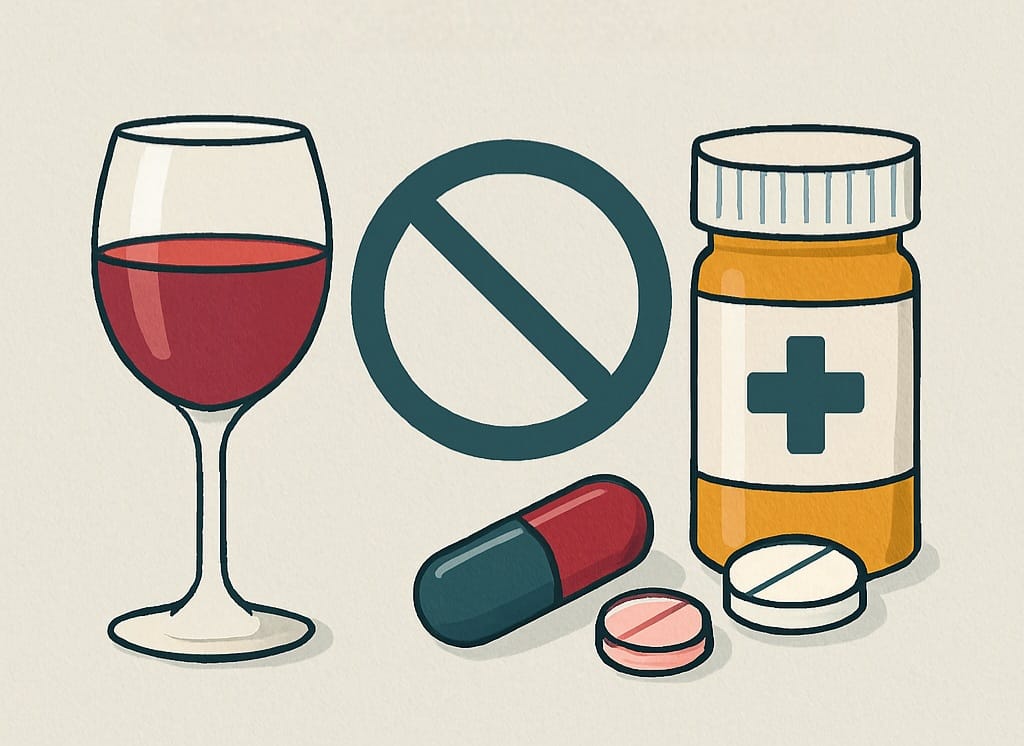
Many patients often wonder if it is okay to take alcohol alongside their antibiotic treatment. The truth is, it depends on the antibiotic. For some antibiotics, alcohol is a complete no because some dangerous reactions can occur. For others, enjoying a glass of an alcoholic drink may seem harmless because it does not lead to severe reactions.
However, it is best to completely avoid alcohol until the course of treatment is completed. This is because of certain problems that arise due to the effects of both alcohol and antibiotics on the body. Even if alcohol does not directly interfere with the antibiotic, it can affect how the body handles the treatment.
The problem with alcohol and antibiotics
- Alcohol can worsen some side effects like nausea, vomiting, and stomach upset.
- Alcohol can slow down your recovery process by reducing your energy and interfering with your body’s immunity.
- Alcohol adds strain on the liver, which also processes medicines.
- Some specific antibiotics interact with alcohol and cause dangerous reactions.
Antibiotics You Must Never Mix With Alcohol
1. Metronidazole (Flagyl®)
Mixing alcohol with metronidazole can result in severe nausea, vomiting, headache, dizziness, facial flushing, and a fast heartbeat. Even a small amount of alcohol can cause severe reactions. This is because the interaction prevents the liver from breaking down alcohol, resulting in the buildup of toxic byproducts. Avoid taking alcohol until 48 to 72 hours have lapsed after the last dose.
2. Tinidazole
Alcohol and tinidazole have the same reactions as metronidazole. Alcohol should be avoided for at least 72 hours after the last dose of tinidazole.
3. Some cephalosporins e,.g. cefoperazone, cefotetan
Interaction between alcohol and these medications can lead to disulfiram-like reactions like metronidazole.
4. Sulfamethoxazole and trimethoprim. (Septrin®)
Mixing alcohol with septrin also results in disulfiram-like reactions. It is safe to avoid alcohol for at least 48 – 72 hours after completion of treatment.
5. Doxycycline and Erythromycin
Alcohol causes faster clearance of these medicines from the body, which means they will be less effective. The body needs an adequate concentration of medicine in the bloodstream to fight off infections.
6. Linezolid
The interaction between some alcohol compounds and linezolid can result in dangerous blood pressure spikes when taken together.
Antibiotics Where Alcohol Is Not Recommended
Some antibiotics may not directly interact with alcohol to cause severe reactions, but they can make the side effects worse. Many antibiotics are associated with side effects like nausea, diarrhoea, stomach upset, and dizziness. Alcohol has similar effects on the body. Combining alcohol with antibiotics can therefore magnify these effects, leading to excessive nausea, stomach upset, dizziness, and drowsiness. Examples of such antibiotics include levofloxacin, amoxicillin, ciprofloxacin, and azithromycin. It is advisable to avoid alcohol until treatment is over, but if you must drink, moderation is key.
How Alcohol Can Affect Your Recovery
Even if an antibiotic is working as it should, alcohol can slow down the healing process without a direct interaction with the medicine. This is because of the effects of alcohol on the body, such as dehydration, weakening of the immune system, and poor sleep quality.
Safety Tips
- Always ask your pharmacist if it is safe to take alcohol with your antibiotic.
- Always read the medication insert before you start your course of antibiotics.
- Always complete the course of treatment even if you feel better.
- Always prioritize healing over alcohol. Skip alcohol until you complete your treatment.
- Always follow the instructions given by your pharmacist on how to take your antibiotic.
Final Dose of Clarity
Alcohol may not always have a direct effect on how antibiotics work, but it can reduce tolerance and worsen side effects. It is always safer to avoid alcohol until you finish the course of treatment. For certain antibiotics like metronidazole or tinidazole, alcohol should be completely avoided.
Disclaimer: Health information shared here is for education only. Please speak to your doctor or pharmacist before making decisions about your health or medications.
Enjoyed this post? Get more health insights straight to your inbox!