
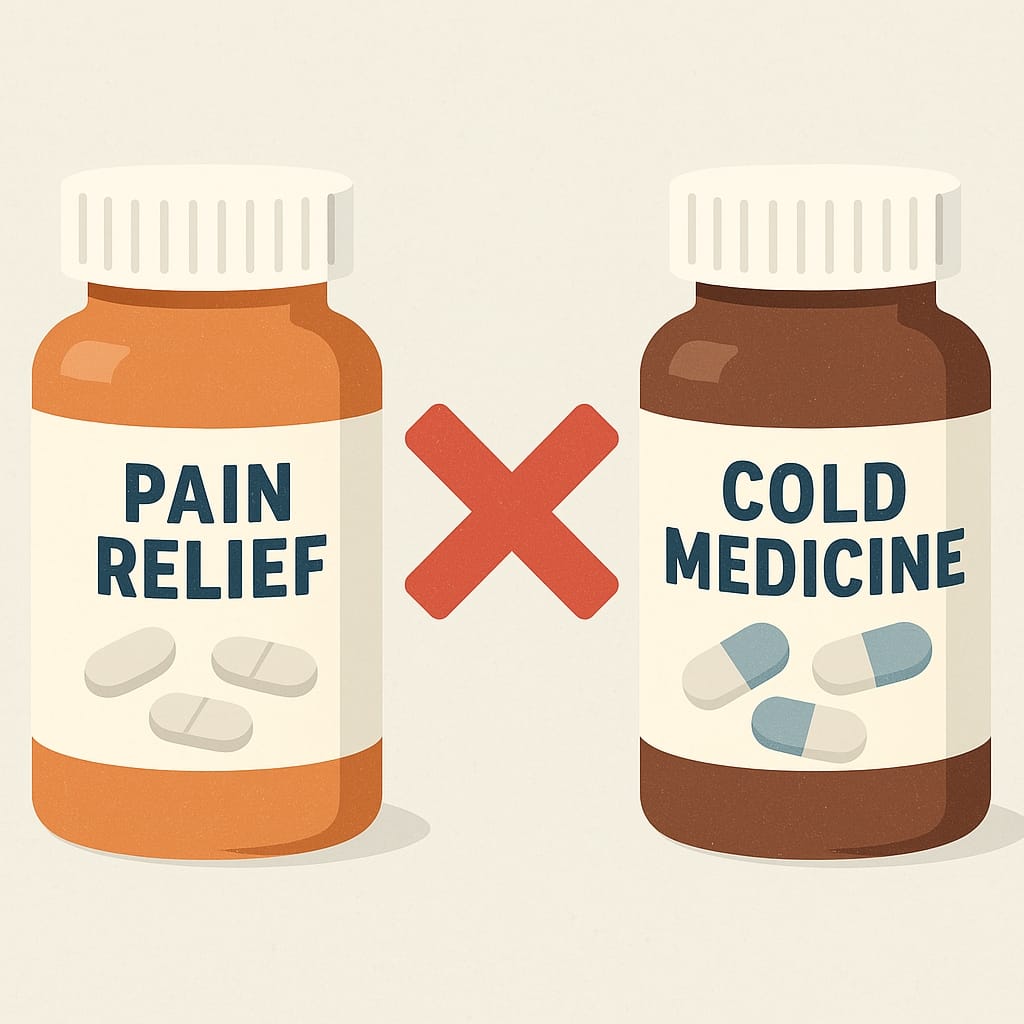
Mixing medications without guidance is like mixing chemicals in the laboratory. Sometimes, nothing happens; sometimes, an explosion occurs. Some drug combinations can lead to serious side effects or reduced effectiveness.
Here is a list of medications that you need to be cautious with before you take them together:
1. Paracetamol + cold/ flu medications
Many cold and flu medications already contain paracetamol. Taking paracetamol multiple times a day in addition to flu medications that contain paracetamol may lead to liver damage, especially when taken together with alcohol. Always confirm if a product contains paracetamol before adding another dose.
2. Ibuprofen + Asprin
Both drugs are non-steroidal anti-inflammatory drugs (NSAIDS). Taking them together increases the risk of stomach ulcers, bleeding, and kidney problems. Patients on low-dose aspirin for the heart should avoid taking ibuprofen frequently unless advised otherwise by the doctor.
3. Antihistamines, eg, piriton + cough syrups
Since both products are sedating, the sedative effect can be amplified. This can lead to excessive sleepiness, confusion, and falls, especially in older adults. Always check if the cough syrup is non-drowsy, or consult your pharmacist to advise if the cough syrup contains a sedating antihistamine.
4. Blood pressure medicines + NSAIDS eg ibuprofen
NSAIDS raise blood pressure and hence reduce the effectiveness of antihypertensive medications. Furthermore, NSAIDS strain the kidneys, which is a concern for hypertensive patients. If you are on medication for hypertension, always use paracetamol where possible and inform your doctor if you are taking antihypertensive drugs and need to use any pain medications.
5. Blood thinners, e.g, warfarin + NSAIDS, e.g, ibuprofen
Both products thin your blood, and this could result in serious internal bleeding, eg, gastrointestinal bleeding or brain hemorrhage. If you are on a blood thinner, always ask your pharmacist before you reach for a painkiller. Paracetamol is always a safer option in this scenario.
6. Opioids + musle relaxants
Both classes of drugs depress the central nervous system and can result in severe respiratory depression, extreme drowsiness, or coma. You can use non-opioid analgesics or physical therapy for muscle pain, where possible.
7. Statins eg artovastatin + certain antibiotics eg clarithromycin
Some antibiotics interfere with the metabolism of statins, and this increases the risk of muscle damage and kidney issues.
8. Antidepressants (SSRIS, eg, Prozac) + decongestants
SSRIS increase serotonin levels, whereas decongestants, eg, pseudoephedrine, stimulate the nervous system. Together, they may result in serotonin syndrome. Serotonin syndrome is a life-threatening condition marked by high blood pressure, agitation, rapid heart rate, confusion, and seizures. Use saline drops instead, or consult your doctor for safer alternatives if you are taking SSRIs.
9. Antihistamines + Benzodiazepines
Both classes of drugs depress the central nervous system. This can lead to extreme drowsiness or even slowed breathing. Always opt for non-drowsy antihistamines, eg, loratidine, if you are taking sedating medications.
10. Metformin + Alcohol
Alcohol amplifies metformin’s side effects, increasing the risk for lactic acidosis. It can also lead to dangerous drops in blood sugar levels. Limit alcohol intake and closely monitor blood sugar if drinking moderately.
How to avoid dangerous drug interactions
- Always inform your doctor and pharmacist about all the drugs you are taking, including prescription drugs, over-the-counter drugs, supplements, and recreational drugs.
- Read medication labels carefully, paying attention to warnings about drug interactions.
- Use one pharmacy for all your prescriptions where possible. This allows your pharmacist to keep a comprehensive record and flag any interactions.
- Do not start or stop any medication without consulting your doctor or pharmacist.
- Be cautious with over-the-counter drugs, as they may not always be safe to combine with other medicines.
- Always consult your doctor or pharmacist when in doubt.
Final Dose of Clarity
Mixing medications can have serious consequences. Always:
✅Read labels
✅Stick to recommended dosages
✅Ask your pharmacist or doctor before combining medications — even over-the-counter ones
Have a question about a medicine combination you’ve been wondering about? Drop it in the comments or DM us via contact, and we’ll help you make sense of it, one clear dose at a time
Disclaimer: Health information shared here is for education only. Please speak to your doctor or pharmacist before making decisions about your health or medications.
Enjoyed this post? Get more health insights straight to your inbox!